Retaining Wall Drainage in Tuscaloosa, AL
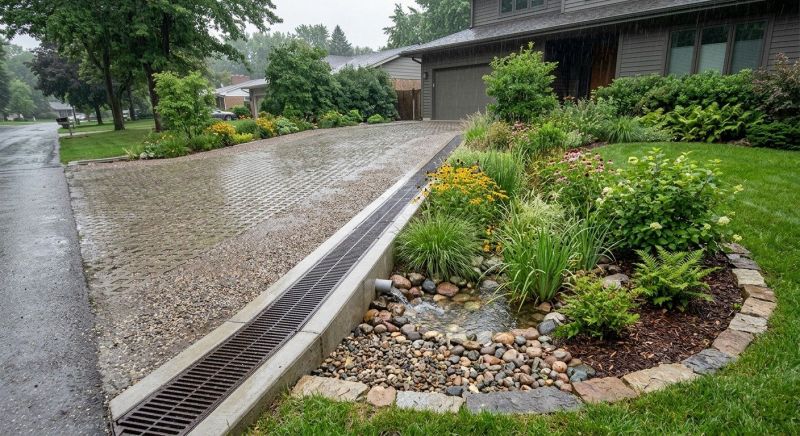
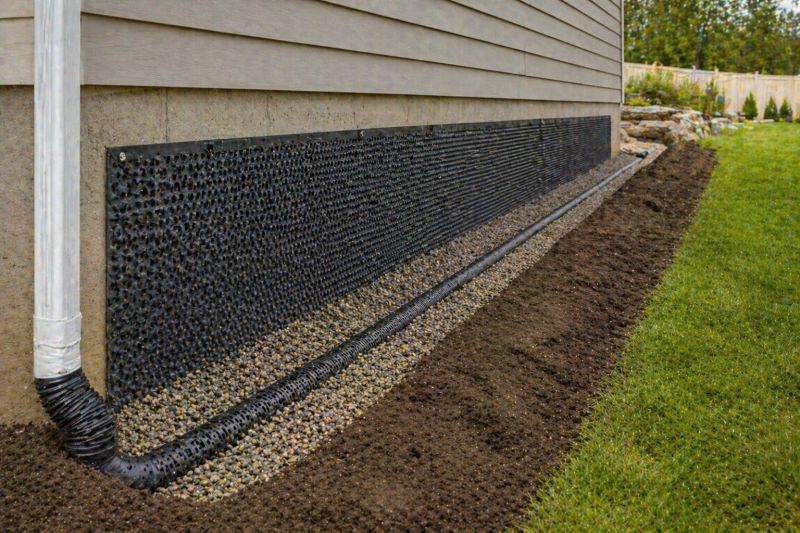
Retaining wall drainage services focus on ensuring proper water management behind and around retaining walls used in residential landscaping and property development. These services typically involve installing drainage systems such as weep holes, drainage pipes, or gravel backfill to prevent water buildup that can compromise the stability of the wall. Projects may include backyard terraces, garden retaining walls, or hillside stabilization, where effective drainage is essential to maintain the structure’s integrity and prevent issues like soil erosion or wall failure.
Property owners interested in retaining wall drainage should understand the importance of proper water flow management to avoid costly repairs and structural problems later. It’s common to inquire about the types of drainage solutions suitable for specific wall designs, the materials used, and how drainage impacts the longevity of the retaining structure. Ensuring that the drainage system is correctly integrated can help preserve the landscape’s appearance and safety, making it a crucial consideration for any retaining wall project.
Many property owners in Tuscaloosa, AL look into Retaining Wall Drainage for repairs, replacements, upgrades, and appearance-related improvements.
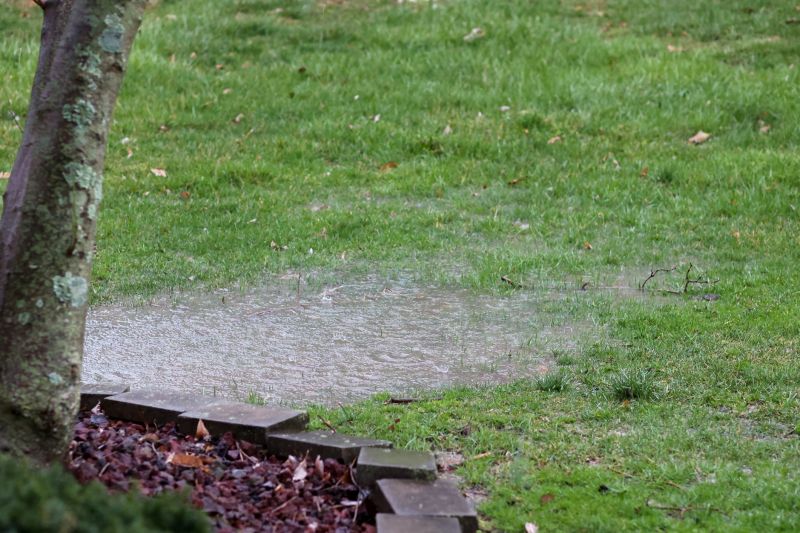
Proper Drainage Solutions
Effective drainage prevents water buildup behind retaining walls, protecting your landscape.
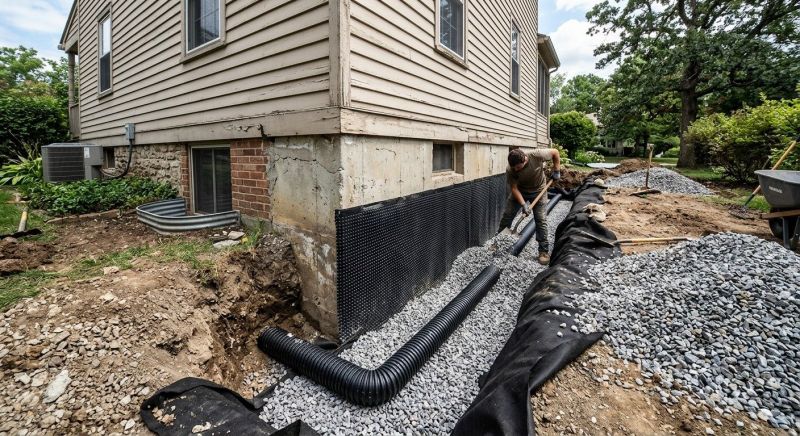
Preventing Water Damage
Installing drainage systems helps avoid erosion and foundation issues on properties in tuscaloosa.
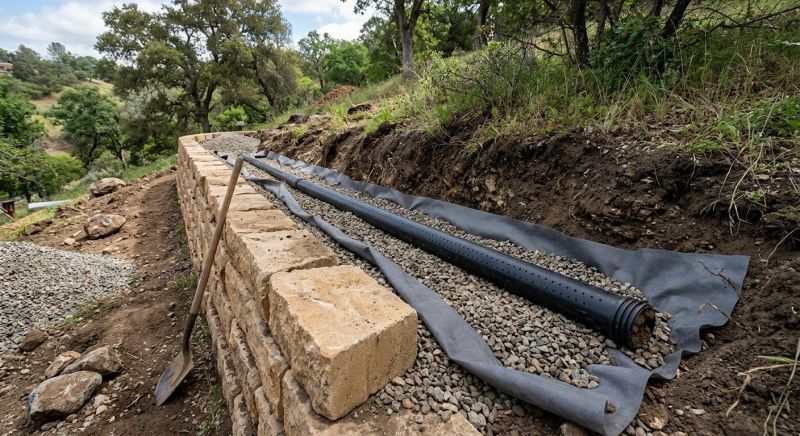
Enhancing Landscape Stability
Well-designed drainage ensures your retaining wall remains sturdy and long-lasting through heavy rains.
Retaining Wall Drainage in Tuscaloosa, AL
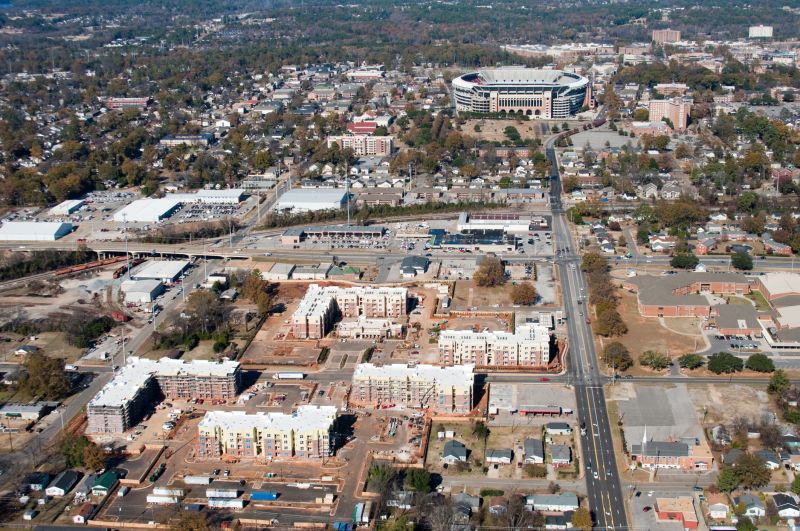
Retaining wall drainage services focus on ensuring proper water management behind and around retaining walls used in residential landscaping and property development. These services typically involve installing drainage systems such as weep holes, drainage pipes, or gravel backfill to prevent water buildup that can compromise the stability of the wall. Projects may include backyard terraces, garden retaining walls, or hillside stabilization, where effective drainage is essential to maintain the structure’s integrity and prevent issues like soil erosion or wall failure.
Property owners interested in retaining wall drainage should understand the importance of proper water flow management to avoid costly repairs and structural problems later. It’s common to inquire about the types of drainage solutions suitable for specific wall designs, the materials used, and how drainage impacts the longevity of the retaining structure. Ensuring that the drainage system is correctly integrated can help preserve the landscape’s appearance and safety, making it a crucial consideration for any retaining wall project.
Many property owners in Tuscaloosa, AL look into Retaining Wall Drainage for repairs, replacements, upgrades, and appearance-related improvements.
Common Retaining Wall Drainage Jobs
Retaining Wall Drainage - Proper drainage prevents water buildup behind retaining walls, reducing pressure and potential failure.
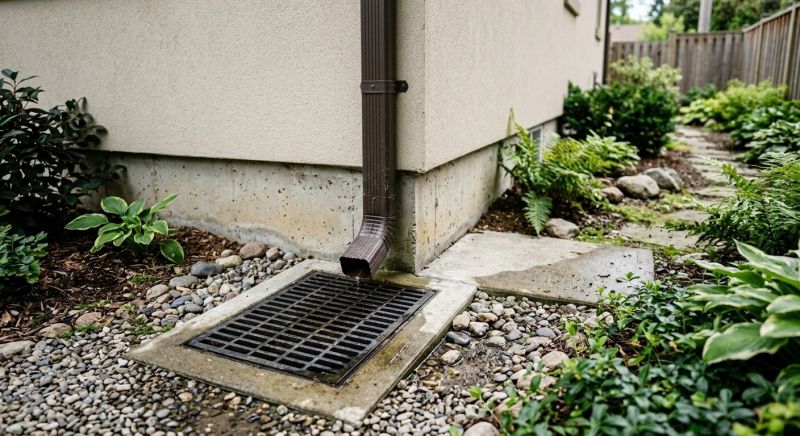
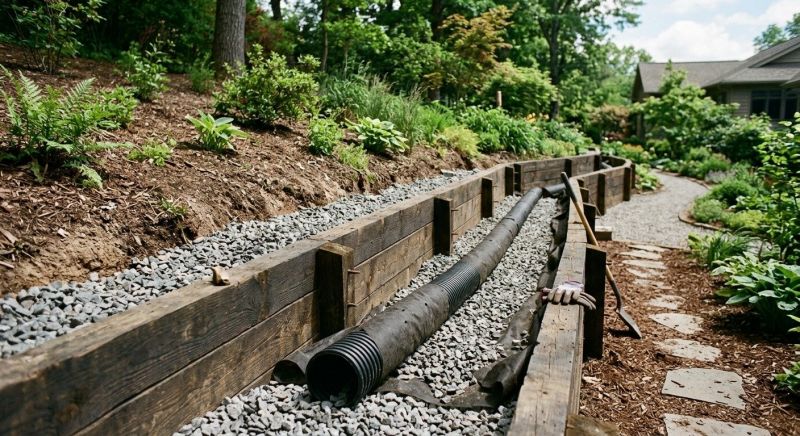
Drainage System Installation - Includes gravel backfill, weep holes, and drainage pipes to direct water away from the wall.
Water Management Solutions - Designed to control surface runoff and subsurface water flow around retaining structures.
Leak Prevention - Ensures moisture does not compromise the stability of retaining walls over time.
Drainage Repairs - Addresses clogged or damaged drainage components to maintain effective water flow.
Foundation Drainage - Protects the base of retaining walls from water infiltration and erosion.
Retaining Wall Drainage Questions
Why is drainage important for retaining walls? Proper drainage prevents water buildup behind the wall, reducing pressure and the risk of failure or damage.
What types of drainage solutions are commonly used? Gravel backfill, weep holes, and drainage pipes are typical methods to ensure effective water flow away from the wall.
How can poor drainage affect a retaining wall? Inadequate drainage can cause water to accumulate, leading to soil erosion, wall shifting, or collapse over time.
When should drainage improvements be considered? Drainage should be evaluated if there are signs of water pooling, soil erosion, or movement around the retaining wall area.
Request Retaining Wall Drainage in Tuscaloosa, AL
Use the quote form on this page to share the basics of your project and request more information for the type of work you need.